7 Signs You Need an Electrical Panel Upgrade Now
May 10, 2025 · 9 min read · VoltGuard Master Electrician Team
Your electrical panel is the single most important safety device in your home. It's the only thing standing between a damaged conductor or failing appliance and a house fire. Yet most homeowners never think about their panel until a breaker trips, the lights flicker, or an insurance inspector flags it during a policy renewal. By then, the problem is usually years overdue.
Electrician guide: Signs You Need Electrical Panel Upgrade
If your home was built before 1990, there is a strong chance your electrical panel is undersized for today's loads, near the end of its safe service life, or — in the case of several specific brands — actively recalled. Modern households run dramatically more electrical demand than a 1970s panel was ever designed for: electric vehicles, heat pumps, induction ranges, tankless water heaters, home offices, and dozens of always-on smart devices. A 100-amp service that was generous in 1978 is often dangerously stretched in 2026.
Below are the seven warning signs our licensed master electricians look for during in-home panel assessments. Any one of them is reason enough to schedule a load evaluation. Two or more, and you should treat the panel upgrade as urgent rather than optional.
1. Your panel says Federal Pacific, Zinsco, Pushmatic, or Challenger
These four brands have a well-documented history of breakers that fail to trip under overload conditions. Independent testing has shown failure rates above 50% in some Federal Pacific Stab-Lok panels. The result is a breaker that allows excessive current to keep flowing through an undersized conductor, heating it until the insulation melts or the wire ignites surrounding material. Insurance carriers increasingly refuse to write or renew homeowner's policies on homes that still have these panels in service. If you see any of these brand names on your panel cover, replacement is not optional — it's overdue.
2. You still have a 60-amp or 100-amp main service
The modern residential standard is 200 amps for a typical single-family home, and 400 amps for homes with EV charging, electric heat pumps, hot tubs, or solar production. A 100-amp panel can sometimes be retrofitted with energy management devices, but a 60-amp service almost always needs a full upgrade before you can safely add any meaningful new load. Pulling a meter and replacing the entire service drop is part of the job; we coordinate the utility cutover so you have power back the same day.
3. Breakers trip repeatedly — even on normal loads
A breaker that trips once during a clear overload is doing exactly what it should. A breaker that trips every time you run the microwave and the toaster together is telling you the circuit is undersized for how you actually live. The wrong response is to replace a 15-amp breaker with a 20-amp — that doesn't fix the problem, it hides it and turns the wire behind your walls into a fire risk. The right response is a load study, additional circuits, and often a panel upgrade to support them.
4. You smell something hot or plasticky near the panel
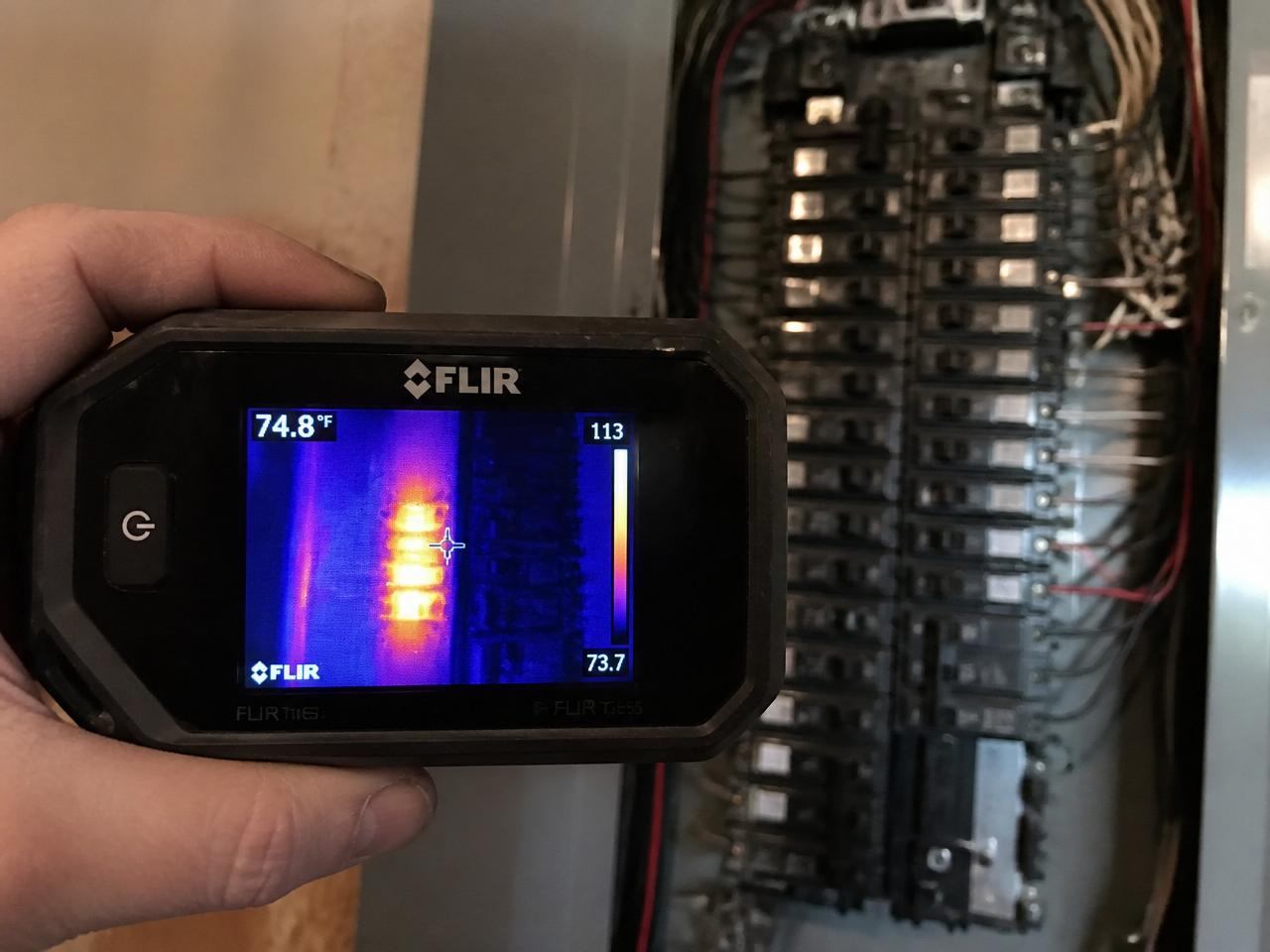
This is an emergency. Stop reading. If you can safely reach the main disconnect, turn off the power to your house. Then call a 24/7 electrician. The smell of melting plastic from a panel is rarely a false alarm — it usually means a breaker, bus bar, or lug is failing under load, and the time between that smell and an open flame can be measured in minutes.
5. Lights dim or flicker when major appliances start
A brief dim when a motor like an air conditioner or refrigerator compressor kicks on is normal. Repeated, significant dimming — especially in rooms far from the appliance — usually means a loose neutral connection, an undersized service drop from the utility, or a failing main lug inside the panel. All three are serious. A failing neutral can put 240 volts across 120-volt circuits and destroy every electronic device on the affected side of the panel in seconds.
6. You are planning major new loads
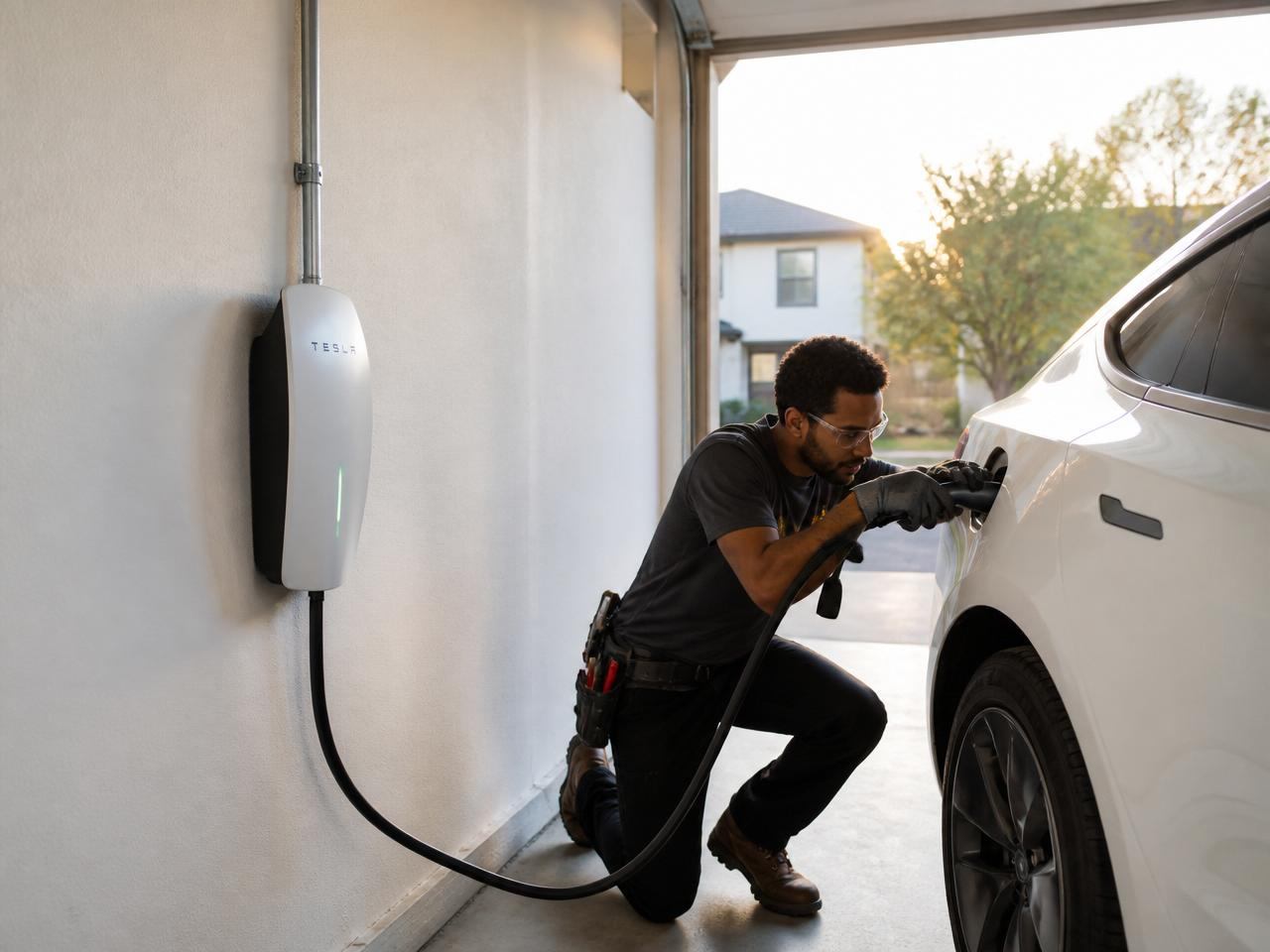
Planning a Level 2 EV charger, a heat pump, an induction range, a hot tub, a detached workshop, or solar with battery backup? Article 220 of the National Electrical Code requires a load calculation before any of those circuits get added. Most pre-2000 panels won't pass the calc without either a service upgrade or an energy management system. We do the load calc as part of every estimate so you know upfront whether your existing service can support what you're planning.
7. The panel is in a closet, bathroom, or behind stored items
NEC 110.26 requires 36 inches of clear working space in front of every panel and prohibits panels in clothes closets and bathrooms. If your panel is in a non-compliant location, you'll be cited during any permitted work, and the location itself is a hazard — service technicians need room to work safely on live equipment. An upgrade is the natural moment to relocate the panel to a code-compliant location like a garage, utility room, or basement wall.
What an electrical panel upgrade actually involves
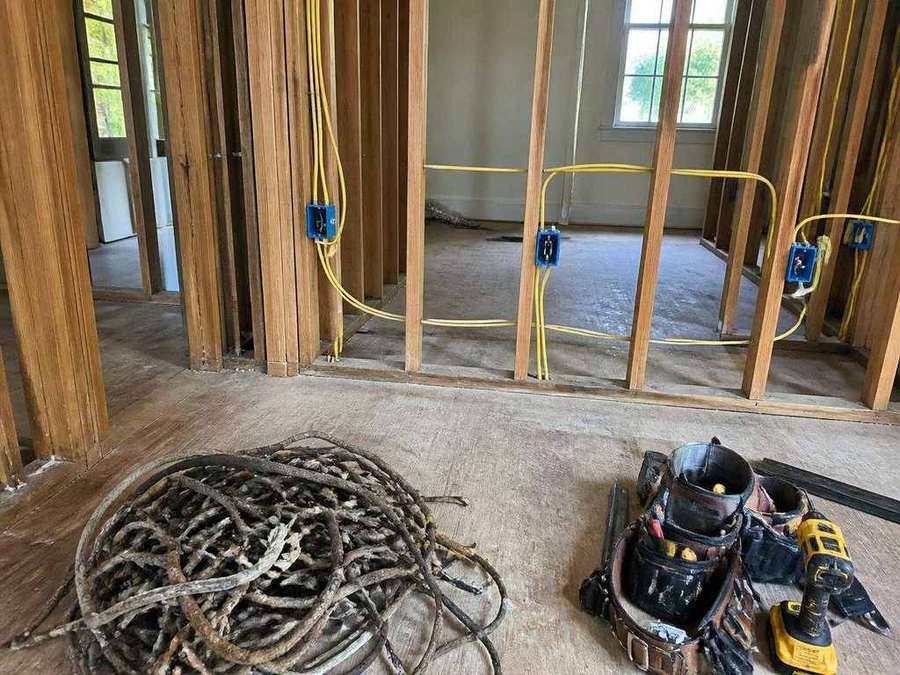
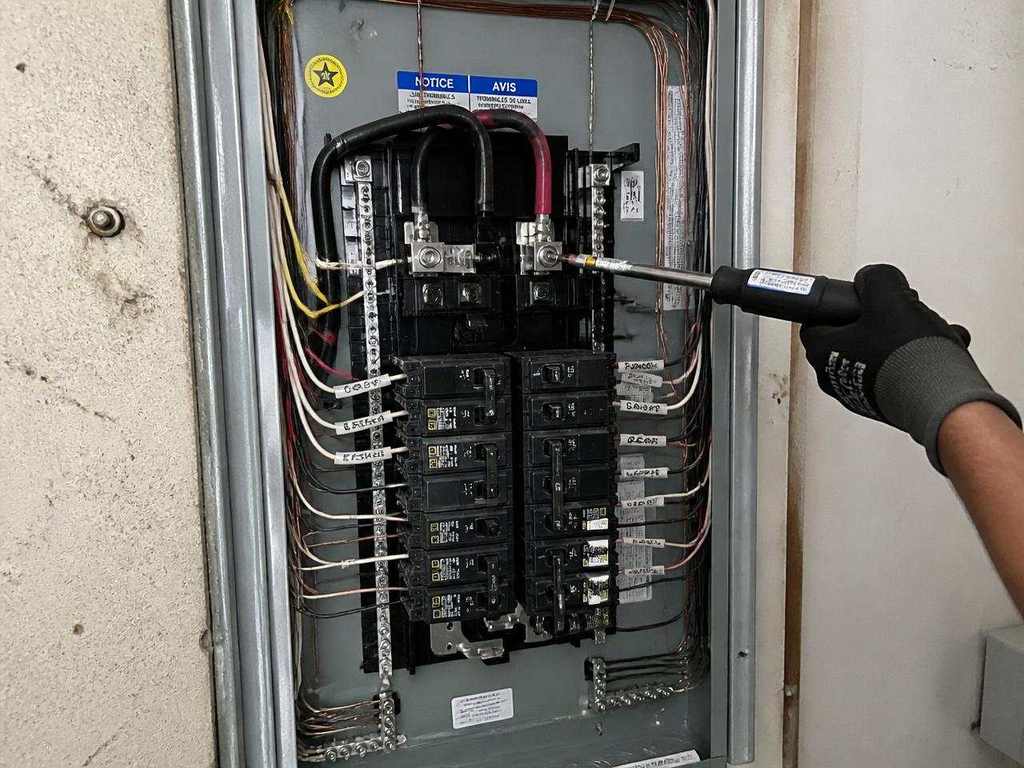
A modern residential panel replacement takes six to ten hours of on-site work. Power is off for roughly half of that time while we de-energize the service, swap the meter socket if needed, install the new panel and bus, transfer every branch circuit, install whole-home surge protection, and re-energize. Every breaker gets individually labeled. We pull the permit, schedule the meter pull and reconnect with your utility, and coordinate the final inspection with your local AHJ.
How much does a panel upgrade cost?
For most U.S. metros, a straight 100-amp-to-200-amp residential upgrade with a new main breaker, surge protection, permit, and inspection runs $2,400 to $4,200 all-in. A 400-amp service or a service mast and weatherhead replacement adds $1,200 to $3,500 depending on conduit run, ground rod work, and utility coordination. We quote flat-rate, in writing, before any work begins — no hourly surprises.
Will an upgrade pay for itself?
Three ways. First, insurance: many carriers offer policy discounts of 5–15% for homes with modern panels, and several refuse to write new policies on Federal Pacific or Zinsco homes at all. Second, resale: real-estate listings with documented 200-amp service consistently sell faster than comparable homes with 100-amp service, especially in markets with EV adoption. Third, capacity: you stop having to choose between running the dryer and running the air conditioner.
When to call
If any of the seven warning signs above match your home, schedule an evaluation. If you smell anything hot or see scorching on the panel cover, call us immediately at (626) 618-8360 — a licensed master electrician answers 24/7, every day, including holidays. We typically have a truck on-site within 60 to 90 minutes for true emergencies.